
The elections for the 7th Convocation of the Parliament of Georgia were held on 21 May 2008. They were effectively snap elections after anti-government protests in November 2007 demanded to move the elections forward from the autumn of 2008 to spring of 2008. A subsequent referendum in January 2008 had ruled in favor of this move.
The ruling United National Movement of president Mikheil Saakashvili won the elections with 59 percent of the vote, gaining a constitutional majority of 119 out of 150 seats in Parliament, by winning nearly all single-mandate districts. The turnout was 53.4 percent. The elections also marked the downsize of Parliament from 235 to 150 seats, after a referendum in 2003 and subsequent constitutional changes.
Electoral system
The elections were held with a mixed electoral system in which citizens cast two votes. A proportional party-list vote elected 75 of the 150 MPs, with a 5% threshold for the parties. The remaining 75 MPs were elected in single-mandate ‘first-past-the-post’ constituencies, with a 30% threshold for the winner. If any candidate in a district would fail to pass the 30% bar, a second round run-off between the two best performing candidates should be scheduled within two weeks.1Civil Georgia, Georgia Elects Parliament, 21 May 2008
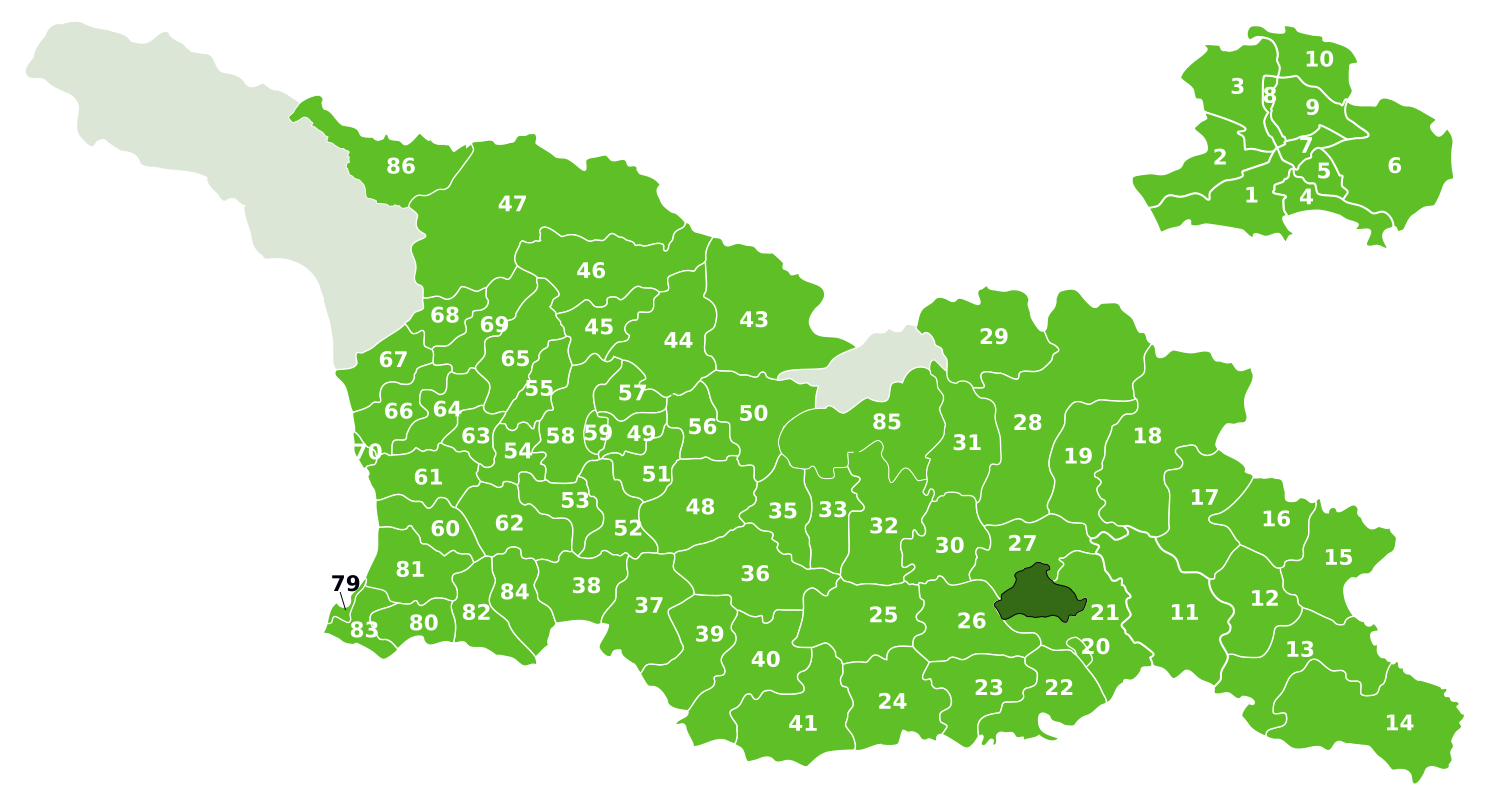
The districts ranged in size from 2,700 to 158,000 registered voters,2CESKO, Summarizing Protocol of Parliamentary Elections May 21, 2008 (pdf), Number of Voters in each DEC, page 3-4 an imbalance that was only corrected for the 2016 elections. In 2006, the Municipality of Azhara (Zemo Abkhazeti / Upper Abkhazia) was established in the Kodori Valley of Abkhazia. The municipality was the seat of the Autonomous Government of Abkhazia recognized by Georgia and it was added as a separate electoral district to the 2008 elections under number 86. However, it did not have its own constituency-seat in parliament, unlike the other constituencies. This was the only time the constituency took part in the national elections, as Georgia lost control as result of the war in August 2008.
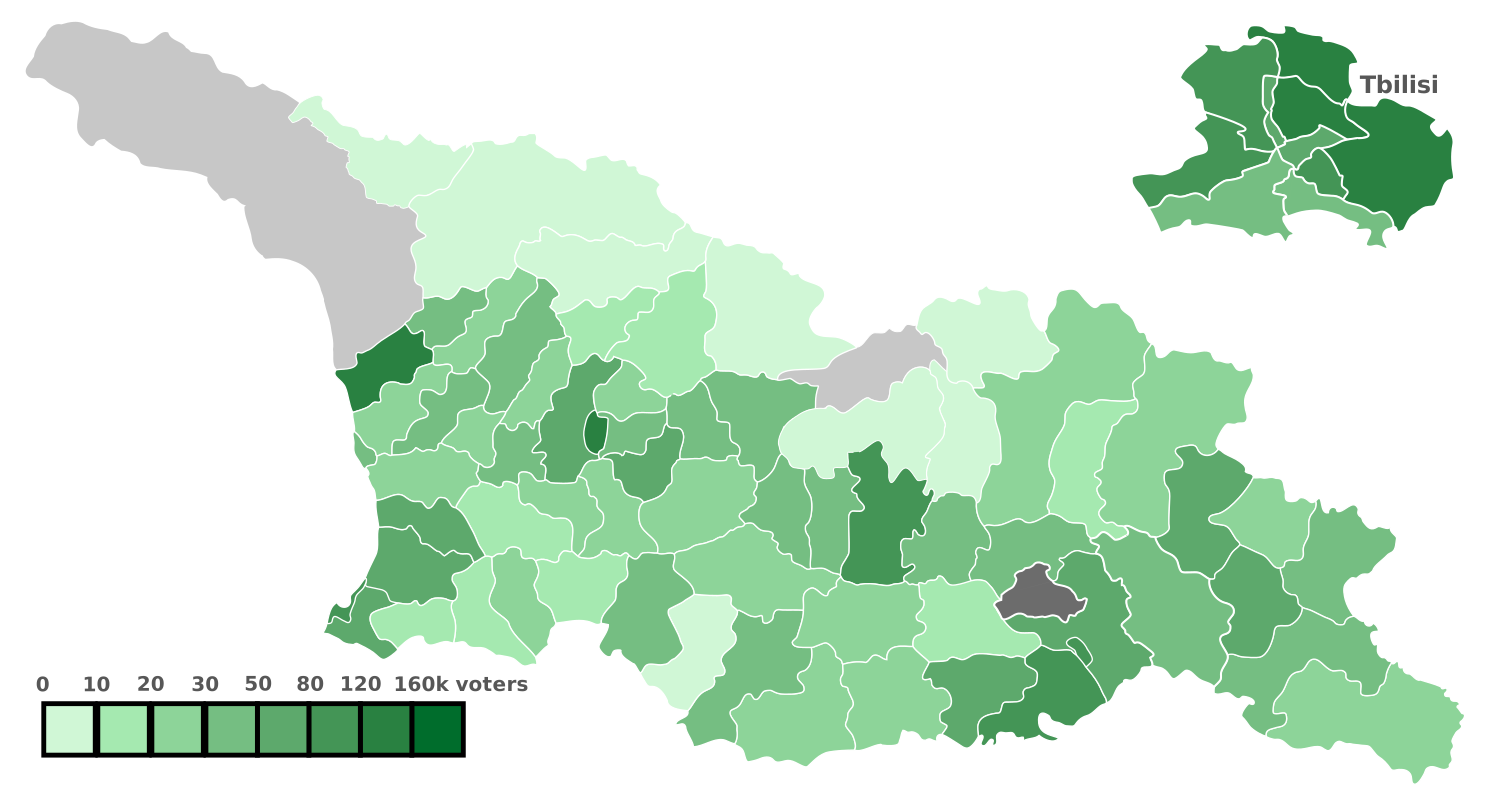
A total of 3,465,736 voters were registered,3Ibid, page 1 who could vote in 3,558 polling stations and 73 special polling stations. There were 47 polling stations established in diplomatic missions abroad and two polling stations were put in the military camps in Iraq, where Georgia had military missions deployed.4Civil Georgia, Georgia Elects Parliament, 21 May 2008
Size of Parliament
During the 2003 parliamentary elections, a referendum to reduce the size of parliament from 235 to 150 seats was supported by 90% of the voters.5Database and Search Engine for Direct Democracy, Georgia, November 2, 2003: Parliament reduced in size from 235 to 150 seats, 15 January 2019 As result, a constitutional amendment to this effect was adopted in February 2005, which defined 100 seats for proportional party-list representation and 50 ‘first-past-the-post’ constituency seats. This meant a reduction of 35 single-mandate constituency seats and 50 proportional party-list seats.6Civil Georgia, Final Vote Passed on Reducing the Number of MP Seats, 23 February 2005
Two months before the 2008 elections, ruling United National Movement adopted an amendment to the constitution to increase the number of constituency seats to 75, thereby reducing the proportional representation to 75.7Civil Georgia, Controversial Rule on Majoritarian MPs Approved, 21 March 2008 With this amendment the districts would not have to be redrawn. The government simply reduced the 85 original districts by scrapping the ten officially still existing districts in Abkhazia and South Ossetia. These districts did not participate in the elections since 1992. This also meant that the mandates of these ten districts, which were automatically extended at every election cycle since 1992, were indefinitely terminated.
The sudden change by the ruling party was very much against the wishes of the opposition. Some opposition leaders proposed a higher threshold of 50% instead of 50% for winning in the districts, but this was blocked by the ruling party. The 50% threshold was applied however from 2016. Dozens of opposition activists went on hunger strike for two weeks against the change.8Civil Georgia, Opposition Ends Hunger Strike, 25 March 2008
Parties and candidates
In total 60 parties applied to the Central Election Commission with a request for the right to participate in the elections, 15 of those already had representation in the outgoing parliament.9CESKO, Report of Central Election Commission for Parliamentary Elections 2008 (pdf), page 2-3 According to the rules, it was enough for one sitting Member of Parliament to sign a letter stating that he or she was a member of a given political party to consider that party a parliamentary one (even though the MP may not have been elected as representative of that party).10OSCE , OSCE-ODIHR Final Report Election Observation, 2008, page 10
After various procedural steps, nine parties and three electoral blocs were ultimately registered to participate in the elections (see Appendix 1).11Civil Georgia, Georgia Elects Parliament, 21 May 2008 The three blocs consisted of 23 registered parties.12CESKO, Report of Central Election Commission for Parliamentary Elections 2008 (pdf), page 2-3 The applications of the other election subjects were refused for a variety of administrative reasons, such as insufficient number of signatures. Legal challenges against negative decisions of the Central Election Commission were generally rejected, with one exception.
According to the OSCE observer mission the registration process was generally inclusive and transparent. The handling of the last-minute withdrawal of Nino Burjanadze, leader of the candidate list of the ruling UNM, had a negative impact on the trust in the electoral process. Opposition appointed members of the CEC demanded to check the UNM list for changes after the legal deadline, but were initially refused. Selective access to information for some CEC members along political lines “undermined the trust of some stakeholders in the election administration”, the OSCE wrote in their mission report.13OSCE-ODIHR Final Report Election Observation, 2008, page 10-11
A total of 1,767 candidates were electable through party-lists and 434 candidates took part in the 75 single-mandate races.14Civil Georgia, List of Majoritarian MP Candidates, 18 May 2008.15CESKO, Candidates proportional party-lists and single mandate districts, 2008 UNM was the only party with candidates in all 75 constituencies. The United Opposition ran candidates in 73 constituencies.16Civil Georgia, Parties and Election Blocs, 14 May 2008
Results
The elections were won by the ruling United National Movement with a proportional vote of 59.2%. Together with winning 71 of the 75 single-mandate districts this resulted in a qualified (constitutional) majority of 119 of 150 seats in Parliament. The United Opposition, Christian-Democrats and Labour Party were the only other parties that passed the 5% threshold. The Republicans managed to win two single mandate constituencies and were the fifth party to enter Parliament. In none of the districts a second round runoff was required.
The table below shows a summary of the official results released by the Central Election Commission CESKO, split by the proportional vote share and the first-past-the-post district mandates (more details in Appendix 1).
| Party | Leader | Vote % | Seats | ||||
|---|---|---|---|---|---|---|---|
| Prop. | Maj. | Total | |||||
| United National Movement | Davit Bakradze | 59.18 | 48 | 71 | 119 | ||
| United Opposition | Levan Gachechiladze | 17.73 | 15 | 2 | 17 | ||
| Christian-Democrats | Giorgi Targamadze | 8.66 | 6 | 0 | 6 | ||
| Labour Party of Georgia | Shalva Natelashvili | 7.44 | 6 | 0 | 6 | ||
| Republican Party of Georgia | David Usupashvili | 3.78 | 0 | 2 | 2 | ||
| Rightist Alliance–Industrialists | Giorgi Topadze | 0.93 | 0 | 0 | 0 | ||
| Christian-Democratic Alliance | Giorgi Maisashvili | 0.89 | 0 | 0 | 0 | ||
| Georgian Politics | Gocha Pipia | 0.46 | 0 | 0 | 0 | ||
| Traditionalists – Our Georgia and Party of Women | Akaki Asatiani | 0.44 | 0 | 0 | 0 | ||
| Georgian Sportsmen Union | Gocha Chkhaidze | 0.19 | 0 | 0 | 0 | ||
| National Party of Radical-Democrats | Shalva Kuprashvili | 0.18 | 0 | 0 | 0 | ||
| Our Country | Tamaz Ghughunishvili | 0.12 | 0 | 0 | 0 | ||
| Total | 100.00 | 75 | 75 | 150 | |||
| Total cast votes | 1,850,407 | 100.00 | |||||
| Registered voters and turnout | 3,465,736 | 53.4 | |||||
| Sources: CESKO,17CESKO, Central Election Commission Summarizing Protocol of Parliamentary Elections May 21, 2008 (pdf), Final results18CESKO, List Of The First 20 Members Of Registered Political Parties And Blocs For The Parliamentary Elections 2008 (pdf) Civil Georgia;19Civil Georgia, Parties and Election Blocs, 14 May 2008 | |||||||
Turnout
The national turnout was 53.4%, which was more than 10% lower than the 2004 election, the repeat election after the Rose Revolution. The turnout varied between 35% and 85% per electoral district, with both ends being outliers (see appendix 3). The lowest turnout was noted in Tsalka district (#25), while the highest turnouts were noted in municipalities of the neighboring Samtskhe Javakheti region, with a turnout of more than 80%, with Aspindza (#39) topping at 85.7%.
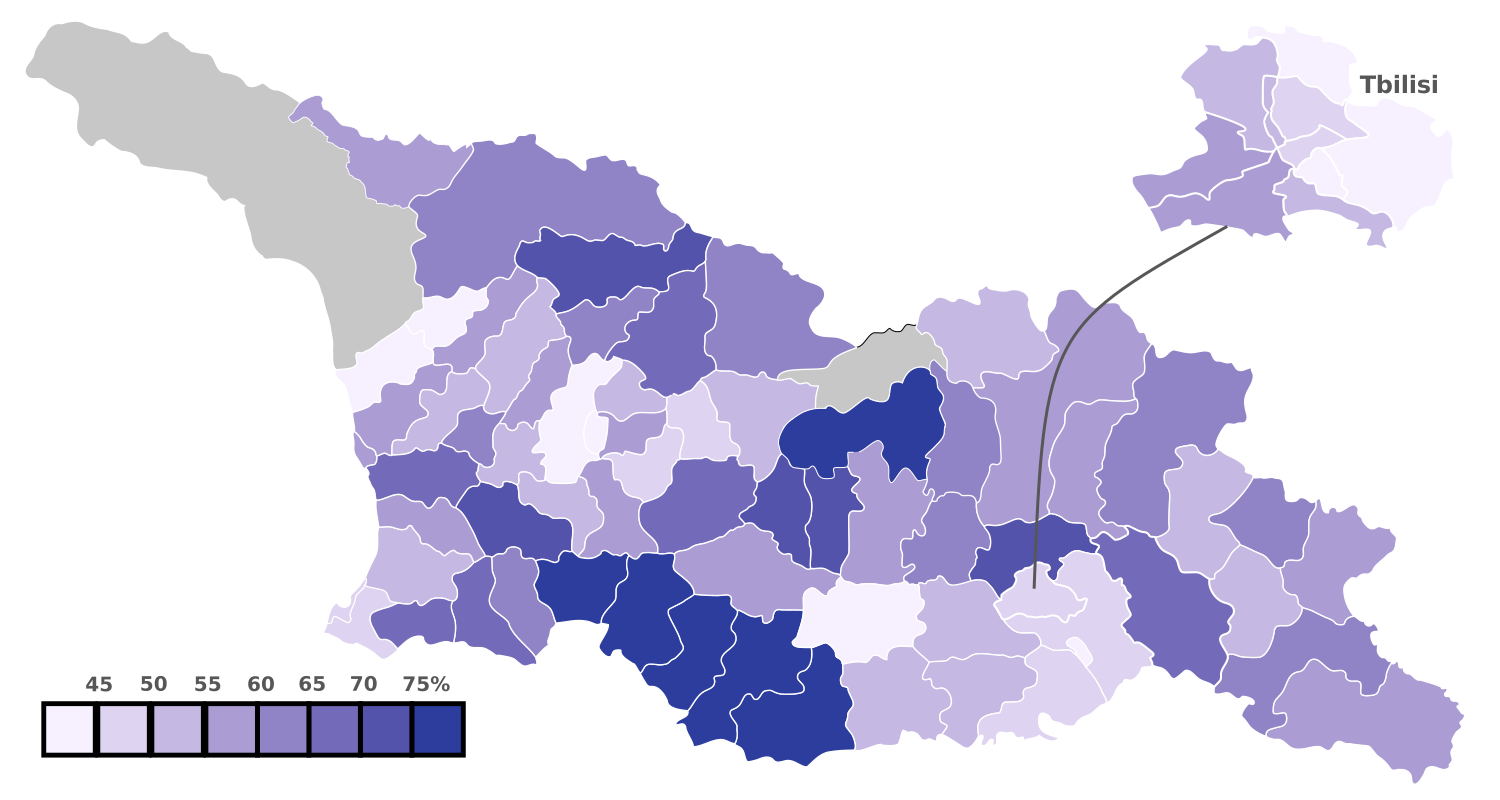
In capital Tbilisi, where nearly 30% of the voters live, the turnout was just 48.2% with a distinctive difference between the East and West half of the city. The other large cities Batumi, Kutaisi, Rustavi had low turnouts of 43-45%.
Voting in constituencies
The United National Movement won 71 of the 75 single-mandate constituencies. The United Opposition won two districts in Tbilisi (Vake and Didube), while the Republican Party won the other remaining two districts (Kazbegi and Tsageri). No runoff was required as all leading candidates passed the 30% threshold of the ‘first-past-the-post’ rule.
In spite of the opposition winning a few single-mandate constituencies, UNM received most votes in all but one district for the proportional party-list vote. Only in Tbilisi’s Vake, the United Opposition had more votes than UNM (42.4% versus 33.8%). In general, UNM had the least support in Tbilisi, while the United Opposition had their best results in Tbilisi. Regionally, UNM had most support in the southern districts of Kvemo Kartli and Samtskhe Javakheti regions, as well as in Shida Kartli and in pockets in the northwest. In Akhalkalaki and Ninotsminda UNM received more than 90% of the vote.
In most districts the United Opposition came out as second, but the Christian Democrats had good results as second in a handful districts throughout the country. Support for the Labour Party concentrated in the Mtskheta-Mtianeti region, where it ended as second in most districts. In Kazbegi the opposition votes were equally spread over the four main contenders in the party-list vote, while the Republican candidate was able to win the constituency mandate even though 44.5% of the party-vote went to UNM.
Aftermath
The new parliament was inaugurated on 7 June 2008, with UNM leader and former foreign minister David Bakradze as its new Chair. However, immediately after the elections the United Opposition, Labour Party, the Republican Party and others claimed the elections were falsified. Amidst public protests, the United Opposition called on all opposition parties to sign a joint memorandum to boycott the new parliament, which it said “is illegitimate” and “elected through ballot fraud”.20Civil Georgia, Opposition Rallies outside Parliament, 26 May 2008 They said the elections “did not reflect the will of the Georgian people”.
Divided opposition
The opposition was divided about their approach. MP Paata Davitaia of On Our Own was the first to break ranks with the United Opposition on 26 May 2008 and withdrew the party On Our Own from the nine-party opposition bloc, citing disagreement on tactics.21Civil Georgia, Party Quits Opposition Coalition, 27 May 2008 While he initially maintained he would boycott parliament, he ultimately retained his seat, similar to others MPs who broke with the United Opposition.22Civil Georgia, Two Members Quit Opposition Coalition, 9 June 2008
two days after the elections, election watchdog ISFED concluded that their parallel vote tabulation (PVT) showed similar results as the official results, effectively dismissing claims the vote “did not reflect the will of the Georgian people”.23Civil Georgia, Election Watchdog Issues PVT Results, 23 May 2008
Christian-Democrats
The Christian-Democrats said the United Opposition memorandum contained “realistic demands”, such as “guarantees that the ruling party would not use its constitutional majority to unilaterally amend the constitution”. The party called the opposition to jointly push these demands instead of boycotting parliament. Based on this position, the party presented their own memorandum on 10 June 2008 and invited other opposition parties to join, to get the ruling party UNM to agree as a way out of the crisis and prevent the boycott. The other opposition parties rejected the memorandum.24Civil Georgia, Christian-Democrats to Offer ‘Anti-Crisis Memorandum’, 9 June 200825Civil Georgia, Christian-Democratic Party’s Memorandum, 10 June 2008 The Christian-Democrats then moved on and reached an agreement with UNM on watered down conditions, such as a more opposition inclusive approach on constitutional amendments.26Civil Georgia, Ruling Party, Christian-Democrats Reach Agreement, 12 June 2008
Other opposition MPs also voiced restraint to a boycott. Two majoritarian MPs who were elected on a Republican Party ticket, while not being a member of the party, said they wanted to represent their constituents.27Civil Georgia, Christian-Democrats Refrain from Clear-Cut Position on Boycott, 26 May 2008 Republican leader Usupashvili said he rather have them take part in the boycott, but could not force them. Earlier he conceded defeat in the elections, blaming both ballot rigging and failure of the party to convey its message to voters.28Civil Georgia, Republicans Concede Defeat, 22 May 2008
Labour Party
The Labour Party remained ambiguous and internally divided over the tactics. Two of the six elected MPs of the party moved on with entering parliament,29Civil Georgia, Opposition Divided over Boycott Tactic, 10 June 2008 for which one, Ramaz Tedoradze, was expelled from the party.30Civil Georgia, Opposition Rally Disperses, 7 June 2008 After the parliament was inaugurated on 7 June 2008, the remainder of the United Opposition and the Labour Party initiated the process to cancel their mandates,31Civil Georgia, Opposition Leaders Move to Renounce MP Mandates, 13 June 2008 which was criticised by he ruling UNM as an “irresponsible decision”.32Civil Georgia, Ruling Party Condemns Opposition Annulment of MP Mandates as ‘Wrong’, 13 June 2008
Four MPs of the Labour Party also appealed to have their mandates renounced, but this request was refused by the parliamentary commission on procedural grounds.33Civil Georgia, Parliamentary Committee Refuses to Renounce Labor Party’s MP Mandates’, 26 June 2008 The Labour Party was criticized by the opposition coalition for deliberately wording the appeal in such a way it would get refused, while portraying itself as willing to renounce mandates.
Renunciation of opposition mandates
In total twelve of the 17 elected members of the United Opposition had their mandates cancelled, two of which were majoritarians for which by-elections took place in November 2008.34Civil Georgia, Parliament Renounces MP Mandates of Eleven Opposition Leaders, 20 June 200835Civil Georgia, Parliament Annuls Opposition MP Mandate, 27 June 2008 The bloc also had their party-list of candidates annulled, leaving ten of their 15 party-list seats vacant for the entire term of parliament. As result, parliament was not fully occupied throughout its term.
On 3 November 2008 by-elections were held in Vake and Didube districts of Tbilisi for the renounced mandates of the United Opposition. In Vake a candidate of the Christian-Democrats won, giving them a seventh seat. In Didube the National Democratic Party won the election, returning to parliament after ten years.36Civil Georgia, Two Parties to Fill Seats in Adjara Parliament, 4 November 2008 The turnout was extremely low (7,6% in Vake and 11.4% in Didube).
Reinstating mandate
In November 2009, Konstantine (Kote) Gamsakhurdia, leader of the Freedom Party (Tavisupleba) and formerly part of the United Opposition, retook his parliamentary mandate, after it was terminated in June 2008. Parliament accepted an amendment in September 2009 allowing ten opposition MPs to be reinstated with their credentials. Of the ten, only Gamsakhurdia accepted the offer. Parliament decided to start an interim parliamentary commission to study the death of Georgia’s first president Zviad Gamsakhurdia in 1993. Kote Gamskahurdia is the son of the late president.37Civil Georgia, Opposition Politician Retakes MP Seat, 3 November 2008
Appendix
1. Participating parties and electoral blocs
The table shows the complete list of all participating parties and electoral blocs with their votes in the national constituency and the seats they gained in parliament split by the proportional and district vote. The table is ordered by the election list number under which the parties were registered and campaigned with.
| Party / Bloc and list number | Proportional Votes | % | Seats | ||||
|---|---|---|---|---|---|---|---|
| Prop. | Maj. | Total | |||||
| 1 | Political Union of Citizens ”Georgian Politics” | 8,231 | 0.46 | 0 | 0 | 0 | |
| 2 | Republican Party of Georgia | 67,037 | 3.78 | 0 | 2 | 2 | |
| 3 | Alliance of the Rights, Topadze-Industrials (bloc)
|
16,440 | 0.93 | 0 | 0 | 0 | |
| 4 | Shalva Natelashvili – Georgian Labour Party | 132,092 | 7.44 | 6 | 0 | 6 | |
| 5 | United National Movement – for Victorious Georgia | 1,050,237 | 59.18 | 48 | 71 | 119 | |
| 6 | Political Union “Union of Sportsmen” | 3,308 | 0.19 | 0 | 0 | 0 | |
| 7 | United Opposition (bloc)
|
314,668 | 17.73 | 15 | 2 | 17 |
|
| 8 | National Party of Radical-Democrats | 3,180 | 0.18 | 0 | 0 | 0 | |
| 9 | Political Union “Christian-Democratic Alliance” | 15,839 | 0.89 | 0 | 0 | 0 | |
| 10 | Giorgi Targamadze- Christian-Democrats | 153,634 | 8.66 | 6 | 0 | 6 | |
| 11 | Traditionalists – Our Georgia and Party of Women | 7,880 | 0.44 | 0 | 0 | 0 | |
| 12 | Georgian Political Party “Our Country” | 2,101 | 0.12 | 0 | 0 | 0 | |
| Total38This is the actual sum of the reported individual results. The CESKO reported grand total of 1,850,407 votes, minus the reported 56,077 votes of annulled precincts reveals an unreported gap of19,683 (see below). | 1,774,647 | 95.91 | 75 | 75 | 150 | ||
| Annulled ballots39In 38 precincts the results were annulled for violation of the election code. See CESKO Summarizing Protocol. | 56,077 | 3.03 | |||||
| Missing ballots40There are 19,683 votes missing from the equation in the CESKO reporting – these are most likely the ballots declared invalid outside of the annulled precincts. | 19,683 | 1.06 | |||||
| Total cast votes | 1,850,407 | 100.00 | |||||
| Registered voters and turnout | 3,465,736 | 53.39 | |||||
| Source: CESKO41CESKO, Central Election Commission Summarizing Protocol of Parliamentary Elections May 21, 2008 (pdf), Final results | |||||||
2. Elected members of Parliament
The following table lists all elected MPs as announced by the official election results of the central election commission CESKO. It is momentary a snapshot only. Of the 150 members of parliament, 75 were elected through proportional representation of the national constituency with party-lists. The other 75 members were elected through single-mandate constituencies.
Some candidates were electable through both the party-list and a single-mandate constituency. If they won the single-mandate constituency, then they entered parliament through that mandate even if their position on the list would give them a seat in parliament as well.
Prematurely terminated mandates have been noted with a remark and their replacements have been listed in a separate table below. The MPs elected by proportional representation have been ordered in the table by their position (#) on the party-list. The relevant party-lists are sourced in the footer of the table.
| Party-list MPs (75) | |||||||||||||||||||||||||||||||||||||||||||||||||||||||||||||||||||||||||||
|---|---|---|---|---|---|---|---|---|---|---|---|---|---|---|---|---|---|---|---|---|---|---|---|---|---|---|---|---|---|---|---|---|---|---|---|---|---|---|---|---|---|---|---|---|---|---|---|---|---|---|---|---|---|---|---|---|---|---|---|---|---|---|---|---|---|---|---|---|---|---|---|---|---|---|---|
| # | MP | Party | Remarks | ||||||||||||||||||||||||||||||||||||||||||||||||||||||||||||||||||||||||
| United national Movement (48) | |||||||||||||||||||||||||||||||||||||||||||||||||||||||||||||||||||||||||||
| 1 | Bakradze | David | Chair of Parliament | ||||||||||||||||||||||||||||||||||||||||||||||||||||||||||||||||||||||||
| 2 | Subeliani | Koba | Mandate terminated on 14 November 2008: appointed as Minister for Refugees and Accommodation42Civil Georgia, Cabinet Wins Confidence Vote, 1 November 2008 | ||||||||||||||||||||||||||||||||||||||||||||||||||||||||||||||||||||||||
| 3 | Roinishvili | Giorgi | |||||||||||||||||||||||||||||||||||||||||||||||||||||||||||||||||||||||||
| 4 | Gamtsemlidze | Zaal (Zaza) | |||||||||||||||||||||||||||||||||||||||||||||||||||||||||||||||||||||||||
| 5 | Tsiklauri | Nugzar | |||||||||||||||||||||||||||||||||||||||||||||||||||||||||||||||||||||||||
| 6 | Ochiauri | Khatuna | (F) | ||||||||||||||||||||||||||||||||||||||||||||||||||||||||||||||||||||||||
| 7 | Darchiashvili | David | |||||||||||||||||||||||||||||||||||||||||||||||||||||||||||||||||||||||||
| 8 | Machavariani | Mikheil | |||||||||||||||||||||||||||||||||||||||||||||||||||||||||||||||||||||||||
| 9 | Melikishvili | Zurab | |||||||||||||||||||||||||||||||||||||||||||||||||||||||||||||||||||||||||
| 10 | Tsereteli | Giorgi | |||||||||||||||||||||||||||||||||||||||||||||||||||||||||||||||||||||||||
| 11 | Gabashvili | Giorgi | |||||||||||||||||||||||||||||||||||||||||||||||||||||||||||||||||||||||||
| 12 | Targamadze | Giorgi | |||||||||||||||||||||||||||||||||||||||||||||||||||||||||||||||||||||||||
| 13 | Kenchoshvili | Irakli | |||||||||||||||||||||||||||||||||||||||||||||||||||||||||||||||||||||||||
| 14 | Khukhunaishvili | Vano | Mandate terminated on 28 January 2010. Died of a heart attack on 27 January 2010.43GHN Agency, Vano Khukhunaishvili, MP will be buried today, 31 January 2010 | ||||||||||||||||||||||||||||||||||||||||||||||||||||||||||||||||||||||||
| 15 | Kherkheulidze | Ekaterine | (F) | ||||||||||||||||||||||||||||||||||||||||||||||||||||||||||||||||||||||||
| 16 | Lezhava | Paata | |||||||||||||||||||||||||||||||||||||||||||||||||||||||||||||||||||||||||
| 17 | Kavtaradze | Irakli | |||||||||||||||||||||||||||||||||||||||||||||||||||||||||||||||||||||||||
| 18 | Kavtaradze | Eldar | |||||||||||||||||||||||||||||||||||||||||||||||||||||||||||||||||||||||||
| 19 | Mamradze | Petre | |||||||||||||||||||||||||||||||||||||||||||||||||||||||||||||||||||||||||
| 20 | Gogorishvili | Khatuna | (F) | ||||||||||||||||||||||||||||||||||||||||||||||||||||||||||||||||||||||||
| 21 | Arsoshvili | Zurab | Mandate terminated on 19 June 2009: appointed as head of National Guard.44Civil Georgia, New Head of National Guard Appointed, 2 June 2009 | ||||||||||||||||||||||||||||||||||||||||||||||||||||||||||||||||||||||||
| 22 | Verulashvili | Marika | (F) | ||||||||||||||||||||||||||||||||||||||||||||||||||||||||||||||||||||||||
| 23 | Balavadze | Vakhtang | |||||||||||||||||||||||||||||||||||||||||||||||||||||||||||||||||||||||||
| 24 | Rurua | Nikoloz | Mandate terminated on 16 December 2008: appointed as Minister of Culture.45Civil Georgia, More Changes in Cabinet, 9 December 2009 | ||||||||||||||||||||||||||||||||||||||||||||||||||||||||||||||||||||||||
| 25 | Zodelava | Murtaz | Mandate terminated on 9 October 2009: appointed as Chief Prosecutor.46Civil Georgia, Chief Prosecutor Replaced, 28 September 2009 | ||||||||||||||||||||||||||||||||||||||||||||||||||||||||||||||||||||||||
| 26 | Samkurashvili | Rati | |||||||||||||||||||||||||||||||||||||||||||||||||||||||||||||||||||||||||
| 27 | Damenia | Lasha | |||||||||||||||||||||||||||||||||||||||||||||||||||||||||||||||||||||||||
| 29 | Bairamovi | Ramin | |||||||||||||||||||||||||||||||||||||||||||||||||||||||||||||||||||||||||
| 30 | Kandelaki | Giorgi | |||||||||||||||||||||||||||||||||||||||||||||||||||||||||||||||||||||||||
| 31 | Baianduriani | Armenaki | |||||||||||||||||||||||||||||||||||||||||||||||||||||||||||||||||||||||||
| 32 | Tordia | Lasha | Mandate terminated on 25 July 2012: appointed as head of State Audit Service.47Civil Georgia, New Head of State Audit Service Appointed, 25 July 2012 | ||||||||||||||||||||||||||||||||||||||||||||||||||||||||||||||||||||||||
| 33 | Diasamidze | Tamaz | |||||||||||||||||||||||||||||||||||||||||||||||||||||||||||||||||||||||||
| 34 | Khabazi | Koba | |||||||||||||||||||||||||||||||||||||||||||||||||||||||||||||||||||||||||
| 35 | Minashvili | Akaki | |||||||||||||||||||||||||||||||||||||||||||||||||||||||||||||||||||||||||
| 36 | Tevdoradze | Gocha | |||||||||||||||||||||||||||||||||||||||||||||||||||||||||||||||||||||||||
| 37 | Kuprava | Gocha | |||||||||||||||||||||||||||||||||||||||||||||||||||||||||||||||||||||||||
| 38 | Imnadze | Giorgi | |||||||||||||||||||||||||||||||||||||||||||||||||||||||||||||||||||||||||
| 39 | Toidze | Otar | |||||||||||||||||||||||||||||||||||||||||||||||||||||||||||||||||||||||||
| 40 | Mindeli | Lasha | |||||||||||||||||||||||||||||||||||||||||||||||||||||||||||||||||||||||||
| 41 | Davitaia | Mirza | Mandate terminated on 25 December 2009: appointed as State Minister of Diaspora Issues.48Civil Georgia, State Minister for Diaspora Replaced, 21 December 2009 | ||||||||||||||||||||||||||||||||||||||||||||||||||||||||||||||||||||||||
| 42 | Kemularia | Roland | |||||||||||||||||||||||||||||||||||||||||||||||||||||||||||||||||||||||||
| 43 | Sukhishvili | Kakhaber | |||||||||||||||||||||||||||||||||||||||||||||||||||||||||||||||||||||||||
| 44 | Malashkhia | Shota | |||||||||||||||||||||||||||||||||||||||||||||||||||||||||||||||||||||||||
| 45 | Godabrelidze | Giorgi | |||||||||||||||||||||||||||||||||||||||||||||||||||||||||||||||||||||||||
| 46 | Anjaparidze | Kakhaber | |||||||||||||||||||||||||||||||||||||||||||||||||||||||||||||||||||||||||
| 47 | Taktakishvili | Chiora | (F) | ||||||||||||||||||||||||||||||||||||||||||||||||||||||||||||||||||||||||
| 49 | Todradze | Davit | |||||||||||||||||||||||||||||||||||||||||||||||||||||||||||||||||||||||||
| 50 | Shamilov | Isvakhan | |||||||||||||||||||||||||||||||||||||||||||||||||||||||||||||||||||||||||
| United Opposition (15) | |||||||||||||||||||||||||||||||||||||||||||||||||||||||||||||||||||||||||||
| 1 | Gachechiladze | Levan | non-partisan | Mandate terminated on 20 June 2008: opposition boycott.49Civil Georgia, Parliament Renounces MP Mandates of Eleven Opposition Leaders, 20 June 2008 No replacement due to annulled party-list. |
|||||||||||||||||||||||||||||||||||||||||||||||||||||||||||||||||||||||
| 3 | Gamsakhurdia | Konstantine | Freedom Party (leader) | Mandate terminated on 20 June 2008: same as above. | |||||||||||||||||||||||||||||||||||||||||||||||||||||||||||||||||||||||
| 4 | Dzidziguri | Zviad | Conservative Party | Mandate terminated on 20 June 2008: same as above. | |||||||||||||||||||||||||||||||||||||||||||||||||||||||||||||||||||||||
| 5 | Davitashvili | Koba | People’s Party (leader) | Mandate terminated on 20 June 2008: same as above. | |||||||||||||||||||||||||||||||||||||||||||||||||||||||||||||||||||||||
| 6 | Beselia | Eka | (F) | Movement for United Georgia | Mandate terminated on 20 June 2008: same as above. | ||||||||||||||||||||||||||||||||||||||||||||||||||||||||||||||||||||||
| 7 | Sanikidze | Gubaz | National Forum | Mandate terminated on 20 June 2008: same as above. | |||||||||||||||||||||||||||||||||||||||||||||||||||||||||||||||||||||||
| 8 | Lortkipanidze | Dimitri | Georgia’s Way | ||||||||||||||||||||||||||||||||||||||||||||||||||||||||||||||||||||||||
| 9 | Khaindrava | Giorgi | non-partisan | Mandate terminated on 20 June 2008: same as above. | |||||||||||||||||||||||||||||||||||||||||||||||||||||||||||||||||||||||
| 10 | Baghaturia | Jondi | Georgian Troupe (leader) | ||||||||||||||||||||||||||||||||||||||||||||||||||||||||||||||||||||||||
| 11 | Davitaia | Paata | On Our Own Way (leader) | ||||||||||||||||||||||||||||||||||||||||||||||||||||||||||||||||||||||||
| 12 | Tortladze | Gia | non-partisan | ||||||||||||||||||||||||||||||||||||||||||||||||||||||||||||||||||||||||
| 13 | Tsagareishvili | Giorgi | non-partisan | ||||||||||||||||||||||||||||||||||||||||||||||||||||||||||||||||||||||||
| 14 | Chikhradze | Pikria | (F) | New Rights | Mandate terminated on 20 June 2008: same as above. | ||||||||||||||||||||||||||||||||||||||||||||||||||||||||||||||||||||||
| 20 | Katsitadze | Mamuka | New Rights | Mandate terminated on 20 June 2008: same as above. | |||||||||||||||||||||||||||||||||||||||||||||||||||||||||||||||||||||||
| 21 | Iashvili | Irakli | New Rights | Mandate terminated on 27 June 2008: same as above.50Civil Georgia, Parliament Annuls Opposition MP Mandate, 27 June 2008 | |||||||||||||||||||||||||||||||||||||||||||||||||||||||||||||||||||||||
| Christian-Democrats (6) | |||||||||||||||||||||||||||||||||||||||||||||||||||||||||||||||||||||||||||
| 1 | Targamadze | Giorgi | |||||||||||||||||||||||||||||||||||||||||||||||||||||||||||||||||||||||||
| 2 | Vepkhvadze | Levan | |||||||||||||||||||||||||||||||||||||||||||||||||||||||||||||||||||||||||
| 3 | Anikashvili | Magdalina | (F) | ||||||||||||||||||||||||||||||||||||||||||||||||||||||||||||||||||||||||
| 4 | Akhvlediani | Giorgi | |||||||||||||||||||||||||||||||||||||||||||||||||||||||||||||||||||||||||
| 5 | Maisuradze | Rati | |||||||||||||||||||||||||||||||||||||||||||||||||||||||||||||||||||||||||
| 6 | Laliashvili | Nikoloz | |||||||||||||||||||||||||||||||||||||||||||||||||||||||||||||||||||||||||
| Labour Party (6) | |||||||||||||||||||||||||||||||||||||||||||||||||||||||||||||||||||||||||||
| 1 | Natelashvili | Shalva | |||||||||||||||||||||||||||||||||||||||||||||||||||||||||||||||||||||||||
| 2 | Shatberashvili | Ioseb | |||||||||||||||||||||||||||||||||||||||||||||||||||||||||||||||||||||||||
| 3 | Gugava | Giorgi | |||||||||||||||||||||||||||||||||||||||||||||||||||||||||||||||||||||||||
| 4 | Tedoradze | Ramaz | |||||||||||||||||||||||||||||||||||||||||||||||||||||||||||||||||||||||||
| 5 | Ergemlidze | Nugzar | |||||||||||||||||||||||||||||||||||||||||||||||||||||||||||||||||||||||||
| 6 | Dzagania | Kakhaber | |||||||||||||||||||||||||||||||||||||||||||||||||||||||||||||||||||||||||
| Single-mandate constituencies (75) | |||||||||||||||||||||||||||||||||||||||||||||||||||||||||||||||||||||||||||
| # | MP | Party | District | Remarks | |||||||||||||||||||||||||||||||||||||||||||||||||||||||||||||||||||||||
| 1 | Gegenava | Archil | UNM | Mtatsminda | |||||||||||||||||||||||||||||||||||||||||||||||||||||||||||||||||||||||
| 2 | Gamkrelidze | Davit | New Rights | Vake | Mandate terminated on 20 June 2008: opposition boycott, see above. By-election on 3 November 2008. | ||||||||||||||||||||||||||||||||||||||||||||||||||||||||||||||||||||||
| 3 | Meladze | Giorgi | UNM | Saburtalo | |||||||||||||||||||||||||||||||||||||||||||||||||||||||||||||||||||||||
| 4 | Khabuliani | Dilar | UNM | Krtsanisi | |||||||||||||||||||||||||||||||||||||||||||||||||||||||||||||||||||||||
| 5 | Goguadze | Giorgi | UNM | Isani | |||||||||||||||||||||||||||||||||||||||||||||||||||||||||||||||||||||||
| 6 | Kervalishvili | Rusudan | (F) | UNM | Samgori | ||||||||||||||||||||||||||||||||||||||||||||||||||||||||||||||||||||||
| 7 | Zhvania | Lasha | UNM | Chughureti | Mandate terminated on 16 December 2008: appointed as Economy Minister.51Civil Georgia, More Changes in Cabinet, 9 December 2009 | ||||||||||||||||||||||||||||||||||||||||||||||||||||||||||||||||||||||
| 8 | Saganelidze | Davit | New Rights | Didube | Mandate terminated on 20 June 2008: opposition boycott, see above. By-election on 3 November 2008. | ||||||||||||||||||||||||||||||||||||||||||||||||||||||||||||||||||||||
| 9 | Samadashvili | Merab | UNM | Nadzaladevi | |||||||||||||||||||||||||||||||||||||||||||||||||||||||||||||||||||||||
| 10 | Asanidze | Giorgi | UNM | Gldani | |||||||||||||||||||||||||||||||||||||||||||||||||||||||||||||||||||||||
| 11 | Gulikashvili | Zaza | UNM | Sagarejo | |||||||||||||||||||||||||||||||||||||||||||||||||||||||||||||||||||||||
| 12 | Gviniashvili | Giorgi | UNM | Gurjaani | Mandate terminated on 21 October 2008: appointed governor of Kakheti.52Civil Georgia, Ex-PM’s Party to Appeal Court over Rescheduled MP By-Elections, 27 August 2009 | ||||||||||||||||||||||||||||||||||||||||||||||||||||||||||||||||||||||
| 13 | Abulashvili | Nugzar | UNM | Sighnaghi | |||||||||||||||||||||||||||||||||||||||||||||||||||||||||||||||||||||||
| 14 | Lekashvili | Avtandil | UNM | Dedoplistskaro | |||||||||||||||||||||||||||||||||||||||||||||||||||||||||||||||||||||||
| 15 | Kakalashvili | Guram | UNM | Lagodekhi | |||||||||||||||||||||||||||||||||||||||||||||||||||||||||||||||||||||||
| 16 | Gelashvili | Zaza | UNM | Kvareli | |||||||||||||||||||||||||||||||||||||||||||||||||||||||||||||||||||||||
| 17 | Arsenishvili | Giorgi | UNM | Telavi | Mandate terminated on 18 November 2010. Died of a heart attack on 17 November 2010.53Civil Georgia, Senior Ruling Party MP Dies, 27 August 2009 | ||||||||||||||||||||||||||||||||||||||||||||||||||||||||||||||||||||||
| 18 | Tsiskarishvili | Petre | UNM | Akhmeta | |||||||||||||||||||||||||||||||||||||||||||||||||||||||||||||||||||||||
| 19 | Madurashvili | Zaza | UNM | Tianeti | |||||||||||||||||||||||||||||||||||||||||||||||||||||||||||||||||||||||
| 20 | Nadashvili | David | UNM | Rustavi | |||||||||||||||||||||||||||||||||||||||||||||||||||||||||||||||||||||||
| 21 | Makhniashvili | David | UNM | Gardabani | |||||||||||||||||||||||||||||||||||||||||||||||||||||||||||||||||||||||
| 22 | Suleimanovi | Azer | UNM | Marneuli | |||||||||||||||||||||||||||||||||||||||||||||||||||||||||||||||||||||||
| 23 | Nakopia | Koba | UNM | Bolnisi | |||||||||||||||||||||||||||||||||||||||||||||||||||||||||||||||||||||||
| 24 | Okriashvili | Kakhaber | UNM | Dmanisi | |||||||||||||||||||||||||||||||||||||||||||||||||||||||||||||||||||||||
| 25 | Tskitishvili | Mikheil | UNM | Tsalka | |||||||||||||||||||||||||||||||||||||||||||||||||||||||||||||||||||||||
| 26 | Bezhuashvili | David | UNM | Tetritskaro | |||||||||||||||||||||||||||||||||||||||||||||||||||||||||||||||||||||||
| 27 | Martoleki | Vakhtang | UNM | Mtskheta | |||||||||||||||||||||||||||||||||||||||||||||||||||||||||||||||||||||||
| 28 | Badagadze | Koba | UNM | Dusheti | |||||||||||||||||||||||||||||||||||||||||||||||||||||||||||||||||||||||
| 29 | Marsagishvili | Roman | RPG | Kazbegi | |||||||||||||||||||||||||||||||||||||||||||||||||||||||||||||||||||||||
| 30 | Kurdghelashvili | Koba | UNM | Kaspi | |||||||||||||||||||||||||||||||||||||||||||||||||||||||||||||||||||||||
| 31 | Ovashvili | Devi | UNM | Akhalgori | |||||||||||||||||||||||||||||||||||||||||||||||||||||||||||||||||||||||
| 32 | Tatishvili | Giorgi | UNM | Gori | Mandate terminated on 27 September 2011: appointed governor of Shida Kartli.54Civil Georgia, New Governor of Shida Kartli Appointed, 14 September 2011 | ||||||||||||||||||||||||||||||||||||||||||||||||||||||||||||||||||||||
| 33 | Gelashvili | Emzar | UNM | Kareli | |||||||||||||||||||||||||||||||||||||||||||||||||||||||||||||||||||||||
| 35 | Kitiashvili | Sergo | UNM | Khashuri | |||||||||||||||||||||||||||||||||||||||||||||||||||||||||||||||||||||||
| 36 | Talakhadze | Giorgi | UNM | Borjomi | |||||||||||||||||||||||||||||||||||||||||||||||||||||||||||||||||||||||
| 37 | Petriashvili | Tamaz | UNM | Akhaltsikhe | |||||||||||||||||||||||||||||||||||||||||||||||||||||||||||||||||||||||
| 38 | Skhirtladze | tengiz | UNM | Adigeni | |||||||||||||||||||||||||||||||||||||||||||||||||||||||||||||||||||||||
| 39 | Londaridze | Gela | UNM | Aspindza | |||||||||||||||||||||||||||||||||||||||||||||||||||||||||||||||||||||||
| 40 | Hovhanesiani | Harutiun | UNM | Akhalkalaki | |||||||||||||||||||||||||||||||||||||||||||||||||||||||||||||||||||||||
| 41 | Mkoiani | Enzel | UNM | Ninotsminda | |||||||||||||||||||||||||||||||||||||||||||||||||||||||||||||||||||||||
| 43 | Chelidze | Giorgi | UNM | Oni | |||||||||||||||||||||||||||||||||||||||||||||||||||||||||||||||||||||||
| 44 | Enukidze | Gocha | UNM | Ambrolauri | |||||||||||||||||||||||||||||||||||||||||||||||||||||||||||||||||||||||
| 45 | Kopaliani | Karlo | RPG | Tsageri | |||||||||||||||||||||||||||||||||||||||||||||||||||||||||||||||||||||||
| 46 | Liparteliani | Gogi | UNM | Lentekhi | |||||||||||||||||||||||||||||||||||||||||||||||||||||||||||||||||||||||
| 47 | Kvitsiani | Kandid | UNM | Mestia | |||||||||||||||||||||||||||||||||||||||||||||||||||||||||||||||||||||||
| 48 | Maghlakelidze | Jaba | UNM | Kharagauli | |||||||||||||||||||||||||||||||||||||||||||||||||||||||||||||||||||||||
| 49 | Butskhrikidze | Bezhan | UNM | Terjola | |||||||||||||||||||||||||||||||||||||||||||||||||||||||||||||||||||||||
| 50 | Kutateladze | Samson | UNM | Sachkhere | |||||||||||||||||||||||||||||||||||||||||||||||||||||||||||||||||||||||
| 51 | Getsadze | Kakha | UNM | Zestaponi | |||||||||||||||||||||||||||||||||||||||||||||||||||||||||||||||||||||||
| 52 | Kokhodze | Temur | UNM | Baghdati | |||||||||||||||||||||||||||||||||||||||||||||||||||||||||||||||||||||||
| 53 | Khurtsidze | Bezhan | UNM | Vani | |||||||||||||||||||||||||||||||||||||||||||||||||||||||||||||||||||||||
| 54 | Sturua | Avtandil | UNM | Samtredia | |||||||||||||||||||||||||||||||||||||||||||||||||||||||||||||||||||||||
| 55 | Chavchanidze | David | UNM | Khoni | |||||||||||||||||||||||||||||||||||||||||||||||||||||||||||||||||||||||
| 56 | Gogatishvili | Mamuka | UNM | Chiatura | |||||||||||||||||||||||||||||||||||||||||||||||||||||||||||||||||||||||
| 57 | Kublashvili | Pavle | UNM | Tkibuli | |||||||||||||||||||||||||||||||||||||||||||||||||||||||||||||||||||||||
| 58 | Saneblidze | Mamuka | UNM | Tskaltubo | |||||||||||||||||||||||||||||||||||||||||||||||||||||||||||||||||||||||
| 59 | Bobokhidze | Akaki | UNM | Kutaisi | |||||||||||||||||||||||||||||||||||||||||||||||||||||||||||||||||||||||
| 60 | Erkomaishvili | Anzor | UNM | Ozurgeti | Mandate terminated on 13 March 2009: resigned and returned to his former post of Director of the Georgian Folk Song Centre.55The Messenger Online, By-elections to be held in September, 28 July 2009 | ||||||||||||||||||||||||||||||||||||||||||||||||||||||||||||||||||||||
| 61 | Goguadze | Gia | UNM | Lanchkhuti | |||||||||||||||||||||||||||||||||||||||||||||||||||||||||||||||||||||||
| 62 | Kukulava | Korneli | UNM | Chokhatauri | |||||||||||||||||||||||||||||||||||||||||||||||||||||||||||||||||||||||
| 63 | Bzhalava | Romanoz | UNM | Abasha | |||||||||||||||||||||||||||||||||||||||||||||||||||||||||||||||||||||||
| 64 | Misabishvili | Guram | UNM | Senaki | Mandate terminated on 8 November 2011: appointed governor of Samegrelo-Zemo Svaneti.56The Messenger Online, სამეგრელო-ზემო სვანეთის გუბერნატორად გურამ მისაბიშვილი ინიშნება, 20 October 2011 | ||||||||||||||||||||||||||||||||||||||||||||||||||||||||||||||||||||||
| 65 | Janashia | Nauli | UNM | Martvili | |||||||||||||||||||||||||||||||||||||||||||||||||||||||||||||||||||||||
| 66 | Bukia | Goderdzi | UNM | Khobi | |||||||||||||||||||||||||||||||||||||||||||||||||||||||||||||||||||||||
| 67 | Todua | Pridon | UNM | Zugdidi | |||||||||||||||||||||||||||||||||||||||||||||||||||||||||||||||||||||||
| 68 | Pipia | Roland | UNM | Tsalenjikha | |||||||||||||||||||||||||||||||||||||||||||||||||||||||||||||||||||||||
| 69 | Jalaghonia | Edisher | UNM | Chkhorotsku | |||||||||||||||||||||||||||||||||||||||||||||||||||||||||||||||||||||||
| 70 | Tsurtsumia | Teimuraz | UNM | Poti | |||||||||||||||||||||||||||||||||||||||||||||||||||||||||||||||||||||||
| 79 | Charkviani | Teimuraz | UNM | Batumi | |||||||||||||||||||||||||||||||||||||||||||||||||||||||||||||||||||||||
| 80 | Shervashidze | Iasha | UNM | Keda | |||||||||||||||||||||||||||||||||||||||||||||||||||||||||||||||||||||||
| 81 | Khinikadze | Otar | UNM | Kobuleti | |||||||||||||||||||||||||||||||||||||||||||||||||||||||||||||||||||||||
| 82 | Makaradze | Elguja | UNM | Shuakhevi | |||||||||||||||||||||||||||||||||||||||||||||||||||||||||||||||||||||||
| 83 | Tavdgiridze | Aslan | UNM | Khelvachauri | |||||||||||||||||||||||||||||||||||||||||||||||||||||||||||||||||||||||
| 84 | Bolkvadze | Anzor | UNM | Khulo | |||||||||||||||||||||||||||||||||||||||||||||||||||||||||||||||||||||||
| 85 | Basishvili | Badri | UNM | Liakhvi | |||||||||||||||||||||||||||||||||||||||||||||||||||||||||||||||||||||||
| Sources: CESKO57Central Election Commission Summarizing Protocol of Parliamentary Elections May 21, 2008 (pdf) Parliament website.58Parliament of Georgia, members of the 7th Convocation; Candidate list UNM59Civil Georgia, First 100 candidates in the National Movement Party list , 16 April 2008; Candidate list United Opposition60Civil Georgia, The first 50 persons in the nine-party opposition bloc’s list of MP candidates , 22 April 2008; Candidate list Labour Party61Civil Georgia, First 50 persons in the Labor Party’s List of MP candidates , 28 April 2008; Candidate list Christian-Democratic Party62Civil Georgia, First 50 persons in the Christian-Democratic Party’s list of MP Candidates , 22 April 2008; | |||||||||||||||||||||||||||||||||||||||||||||||||||||||||||||||||||||||||||
The following table shows Members of Parliament that were appointed at a later stage during the 7th Convocation due to early terminations of mandates. The # column refers to the number on the party-list. For the single-mandate MPs (bottom part of the table), it refers to the district number. In the case of single-mandate MPs, by-elections took place in the respective constituencies. By-elections can only take place in Spring or in Fall, and do not take place in the year of the next scheduled parliamentary elections (in this case 2012).
| Party-list MPs | ||||||
|---|---|---|---|---|---|---|
| # | MP | Party | Remarks | |||
| United National Movement | ||||||
| 51 | Kikaleishvili | Zurab | From 21 November 2008, replacing Koba Subeliani. | |||
| 52 | Khakhnelidze | Giorgi | From 19 December 2008, replacing Nikoloz Rurua. | |||
| 53 | Gachechiladze | Mamuka | From 26 June 2009, replacing Zurab Arsoshvili. | |||
| 54 | Kukava | Zviad | From 20 October 2009, replacing Murtaz Zodelava. | |||
| 55 | Javakhadze | Elena | (F) | From 12 February 2010, replacing Mirza Davitaia. | ||
| 57 | Jabua | Guranda | (F) | From 23 February 2010, replacing Vano Khukhunaishvili. | ||
| United Opposition | ||||||
| 3 | Gamsakhurdia | Konstantine | Freedom (Tavisupleba) | From 3 November 2009. Reinstated on his own mandate.63Civil Georgia, Opposition Politician Retakes MP Seat, 3 November 2008 Mandate terminated again on 1 July 2011, without replacement due to cancelled party-list. He was appointed ambassador to UN agencies in Switzerland.64Civil Georgia, პარლამენტმა სამი ახალი დიპლომატიური წარმომადგენელი დაამტკიცა, 24 June 2011 | ||
| Single-mandate constituencies | ||||||
| # | MP | Party | District | Remarks | ||
| 2 | Kvachantiradze | Tamaz | Christian-Democrats | Vake | From 14 November 2008 after by-election on 3 November 2008,65Civil Georgia, Two Parties to Fill Seats in Adjara Parliament, 4 November 2008 replacing Davit Gamkrelidze. | |
| 8 | Chakhvadze | Guram | National Democratic Party | Didube | From 14 November 2008 after by-election on 3 November 2008,66Ibid. replacing Davit Saganelidze. | |
| 7 | Alavidze | Andro | UNM | Chughureti | From 18 June 2010 after by-election, replacing Lasha Zhvania.67Civil Georgia, Parliament Endorses Credentials of Three New MPs, 18 June 2010 | |
| 12 | Chiviashvili | Giorgi | UNM | Gurjaani | From 18 June 2010 after by-election, replacing Giorgi Gviniashvili.68Ibid. Mandate terminated again on 27 September 2011 as he was appointed as prosecutor in Kakheti.69GHN Agency, კახეთის პროკურორად გიორგი ჩივიაშვილი ინიშნება, 9 September 2010 | |
| 60 | Shanidze | Gocha | UNM | Ozurgeti | From 18 June 2010 after by-election, replacing Anzor Erkomaishvili.70Civil Georgia, Parliament Endorses Credentials of Three New MPs, 18 June 2010 | |
| 17 | Davitashvili | Vasili | UNM | Telavi | From 13 October 2011 after by-election, replacing Giorgi Arsenishvili. | |
| 12 | << No by-election >> was held in | Gurjaani | after Giorgi Chiviashvili’s mandate was terminated in September 2011. | |||
| 32 | << No by-election >> was held in | Gori | after Giorgi Tatishvili’s mandate was terminated in September 2011.71Civil Georgia, New Governor of Shida Kartli Appointed, 14 September 2011 | |||
| 64 | << No by-election >> was held in | Senaki | after Guram Misabishvili’s mandate was terminated in November 2011 | |||
3. Single-mandate constituencies
The following table shows the electoral constituencies with the number of registered voters, actual votes and the turnout percentage – at 20:00 in the evening.72CESKO, Turnout of voters for Parliamentary Elections 2008 (pdf) This may not reflect the definite number. The CESKO constituency turnout report shows a discrepancy with the last updated table of the number of registered voters per district from mid-May 2008. The OSCE reported the inaccuracies in the voters lists and other issues surrounding this. All districts with the exception of Zemo Apkhazeti (Upper Abkhazia, #86) were single-mandate constituencies.
| # | District | Voters | Votes | Turnout | ||
|---|---|---|---|---|---|---|
| 1 | Tbilisi – Mtatsminda | 46,929 | 27,113 | 57.8% | ||
| 2 | Tbilisi – Vake | 93,987 | 52,403 | 55.8% | ||
| 3 | Tbilisi – Saburtalo | 116,178 | 61,160 | 52,6% | ||
| 4 | Tbilisi – Krtsanisi | 48,085 | 24,549 | 51.1% | ||
| 5 | Tbilisi – Isani | 106,982 | 46,094 | 43.1% | ||
| 6 | Tbilisi – Samgori | 141,274 | 59,208 | 41.9% | ||
| 7 | Tbilisi – Chugureti | 53,493 | 26,131 | 48.8% | ||
| 8 | Tbilisi – Didube | 70,180 | 38,154 | 53.7% | ||
| 9 | Tbilisi – Nadzaladevi | 126,281 | 60,212 | 47.7% | ||
| 10 | Tbilisi – Gldani | 143,497 | 61,572 | 42.9% | ||
| 11 | Sagarejo | 41,867 | 28,648 | 68.4% | ||
| 12 | Gurjaani | 54,479 | 29,202 | 53.6% | ||
| 13 | Sighnaghi | 31,483 | 19,362 | 61.5% | ||
| 14 | Dedoplistskaro | 22,762 | 12,519 | 55.0% | ||
| 15 | Lagodekhi | 36,687 | 20,849 | 56.8% | ||
| 16 | Kvareli | 28,609 | 17,638 | 61.7% | ||
| 17 | Telavi | 56,181 | 28,306 | 50.4% | ||
| 18 | Akhmeta | 28,916 | 17,598 | 60.9% | ||
| 19 | Tianeti | 11,245 | 6,641 | 59.1% | ||
| 20 | Rustavi | 100,823 | 44,730 | 44.4% | ||
| 21 | Gardabani | 70,276 | 34,602 | 49.2% | ||
| 22 | Marneuli | 91,174 | 42,586 | 46.7% | ||
| 23 | Bolnisi | 53,649 | 29,457 | 54.9% | ||
| 24 | Dmanisi | 21,721 | 11,158 | 51.4% | ||
| 25 | Tsalka | 21,699 | 7,646 | 35.2% | ||
| 26 | Tetritskaro | 19,386 | 10,327 | 53.3% | ||
| 27 | Mtskheta | 35,644 | 25,233 | 70.8% | ||
| 28 | Dusheti | 25,261 | 14,488 | 57.4% | ||
| 29 | Kazbegi | 5,889 | 3,238 | 55.0% | ||
| 30 | Kaspi | 38,065 | 24,276 | 63.8% | ||
| 31 | Akhalgori | 6,130 | 3,906 | 63.7% | ||
| 32 | Gori | 101,438 | 58,754 | 57.9% | ||
| 33 | Kareli | 34,948 | 24,515 | 70.1% | ||
| 35 | Khashuri | 47,316 | 35,097 | 74.2% | ||
| 36 | Borjomi | 27,073 | 15,931 | 58.8% | ||
| 37 | Akhaltsikhe | 34,631 | 29,506 | 85.2% | ||
| 38 | Adigeni | 15,194 | 12,552 | 82.6% | ||
| 39 | Aspindza | 9,468 | 8,111 | 85.7% | ||
| 40 | Akhalkalaki | 40,259 | 31,789 | 79.0% | ||
| 41 | Ninotsminda | 21,811 | 17,893 | 82.0% | ||
| 43 | Oni | 7,023 | 4,530 | 64.5% | ||
| 44 | Ambrolauri | 12,426 | 8,532 | 68.7% | ||
| 45 | Tsageri | 12,594 | 7,718 | 61.3% | ||
| 46 | Lentekhi | 5,920 | 4,325 | 73.1% | ||
| 47 | Mestia | 8,426 | 5,462 | 64.8% | ||
| 48 | Kharagauli | 20,299 | 13,295 | 65.5% | ||
| 49 | Terjola | 33,740 | 19,536 | 57.9% | ||
| 50 | Sachkhere | 40,903 | 21,866 | 53.5% | ||
| 51 | Zestafoni | 55,936 | 27,403 | 49.0% | ||
| 52 | Baghdadi | 23,216 | 13,450 | 57.9% | ||
| 53 | Vani | 26,244 | 13,539 | 51.6% | ||
| 54 | Samtredia | 46,633 | 23,459 | 50.3% | ||
| 55 | Khoni | 25,124 | 14,663 | 58.4% | ||
| 56 | Chiatura | 45,584 | 21,481 | 47.1% | ||
| 57 | Tkibuli | 24,691 | 13,032 | 52.8% | ||
| 58 | Tskaltubo | 53,199 | 23,525 | 44.2% | ||
| 59 | Kutaisi | 158,397 | 67,682 | 42.7% | ||
| 60 | Ozurgeti | 62,943 | 37,209 | 59.1% | ||
| 61 | Lanchkhuti | 29,482 | 19,180 | 65.1% | ||
| 62 | Chokhatauri | 18,442 | 12,971 | 70.3% | ||
| 63 | Abasha | 21,302 | 13,721 | 64.4% | ||
| 64 | Senaki | 44,483 | 23,519 | 52.9% | ||
| 65 | Martvili | 34,312 | 18,524 | 54.0% | ||
| 66 | Khobi | 29,196 | 17,044 | 58.4% | ||
| 67 | Zugdidi | 126,404 | 50,330 | 39.8% | ||
| 68 | Tsalenjikha | 31,533 | 14,084 | 44.7% | ||
| 69 | Chkhorotsku | 23,061 | 13,583 | 58.9% | ||
| 70 | Poti | 39,019 | 21,818 | 55.9% | ||
| 79 | Batumi | 96,397 | 43,899 | 45.5% | ||
| 80 | Keda | 14,839 | 9,998 | 67.4% | ||
| 81 | Kobuleti | 64,710 | 32,482 | 50.2% | ||
| 82 | Shuakhevi | 14,481 | 9,841 | 68.0% | ||
| 83 | Khelvachauri | 70,284 | 34,824 | 49.5% | ||
| 84 | Khulo | 23,216 | 15,083 | 65.0% | ||
| 85 | Liakhvi | 9,614 | 7,540 | 78.4% | ||
| 86 | Zemo Abkhazeti (Upper Abkhazia / Azhara) | 2,645 | 1,554 | 58.8% | ||
| 87 | Abroad | 35,188 | 1,670 | 4.7% | ||
| Total73This is the sum of the registered voters and submitted votes per constituency according to the CESKO turnout sheet. CESKO reported a grand total of 1,850,407 votes, which leaves a gap of 24,881 votes with the reported turnout at 20:00 | 3,472,876 | 1,825,526 | 52.6% | |||
| Sources: CESKO74CESKO, Central Election Commission Summarizing Protocol of Parliamentary Elections May 21, 2008 (pdf), Final results75CESKO, Total number of voters according to electoral districts (pdf) | ||||||
